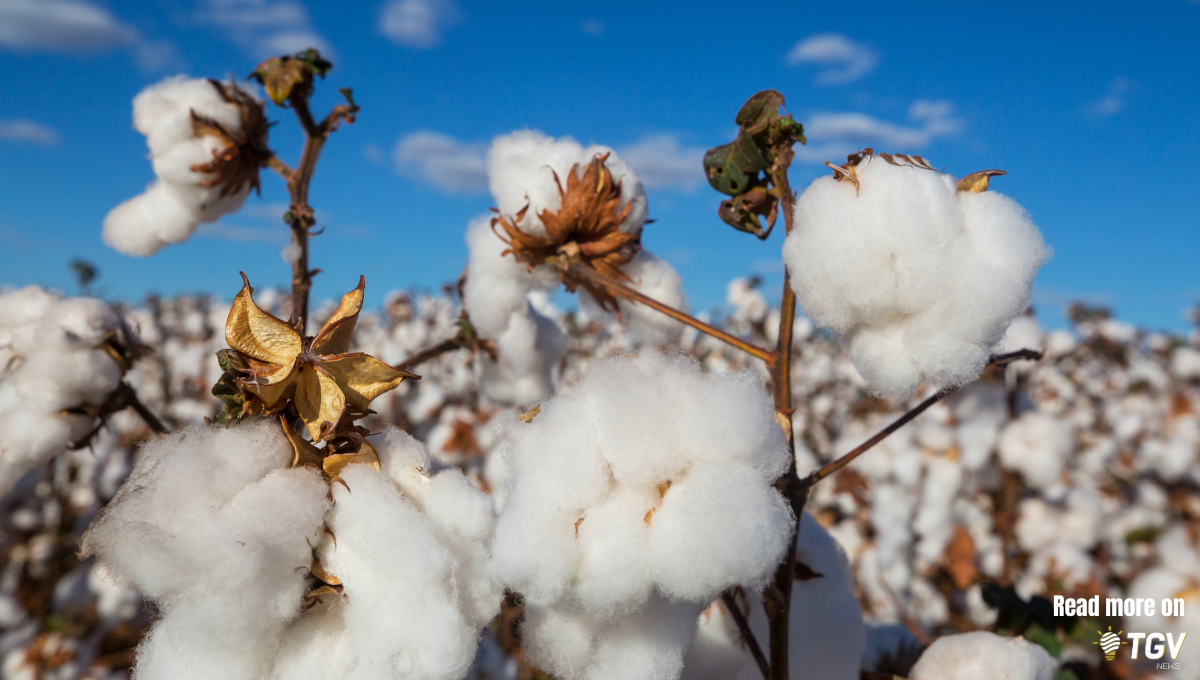
Georgia’s Agriculture Commissioner praised a plan released this week by the Trump administration, aimed at ‘strengthening the American cotton industry.’
The Great American Cotton Plan was announced this week by the U.S. Department of Agriculture. The program is aimed at strengthening the American cotton industry, increasing demand for U.S.-grown cotton, expanding exports, and improving profitability for cotton farmers. U.S. Agriculture Secretary Brooke Rollins unveiled the plan amid concerns about declining cotton farm revenues, rising production costs, foreign competition, and the growing dominance of synthetic fibers such as polyester.
The plan is built around four major pillars:
1. Promoting domestic cotton consumption
- Encourages consumers to choose natural cotton products over synthetic materials through a “Plant Not Plastic” campaign.
- Continues support for USDA’s BioPreferred labeling program for biobased products.
- Increases certain cotton marketing loan rates authorized by recent federal legislation.
2. Increasing domestic demand and production
- Prioritizes financing assistance for cotton processors and textile manufacturers.
- Expands support programs for textile mills using American cotton.
- Supports efforts to require more American-grown cotton in U.S. manufacturing.
3. Expanding cotton trade
- Seeks to regain U.S. leadership in global cotton exports after Brazil surpassed the United States in 2023.
- Uses trade missions and export programs to increase foreign purchases of American cotton.
- Includes agreements and outreach efforts with countries such as Indonesia and Bangladesh.
4. Protecting growers from risk
- Expands crop insurance options.
- Supports research into pests and production challenges.
- Increases certain commodity program reference prices for cotton producers beginning in 2026.
The USDA says the initiative is intended to help reverse several years of financial losses in the cotton industry. According to the department, cotton growers are projected to lose roughly $2.6 billion during the upcoming crop year, and the number of cotton gins and domestic textile facilities has fallen sharply over the last few decades.
Supporters view the plan as an effort to revitalize rural economies, strengthen domestic manufacturing, and promote natural fibers. Critics, however, have questioned whether the plan adequately addresses major challenges facing cotton producers, particularly water availability, fertilizer costs, and global market realities.
“The Great American Cotton Plan is a historic investment in American fiber production and promotion, and as one of the nation’s top cotton producers, it is a huge win for cotton farmers in every corner of our state,” said Georgia Agriculture Commissioner Tyler J Harper. “I’m deeply grateful to Secretary Brooke Rollins and the Trump Administration for continuing to deliver on their promise to put farmers first and restore prosperity to Rural America.”