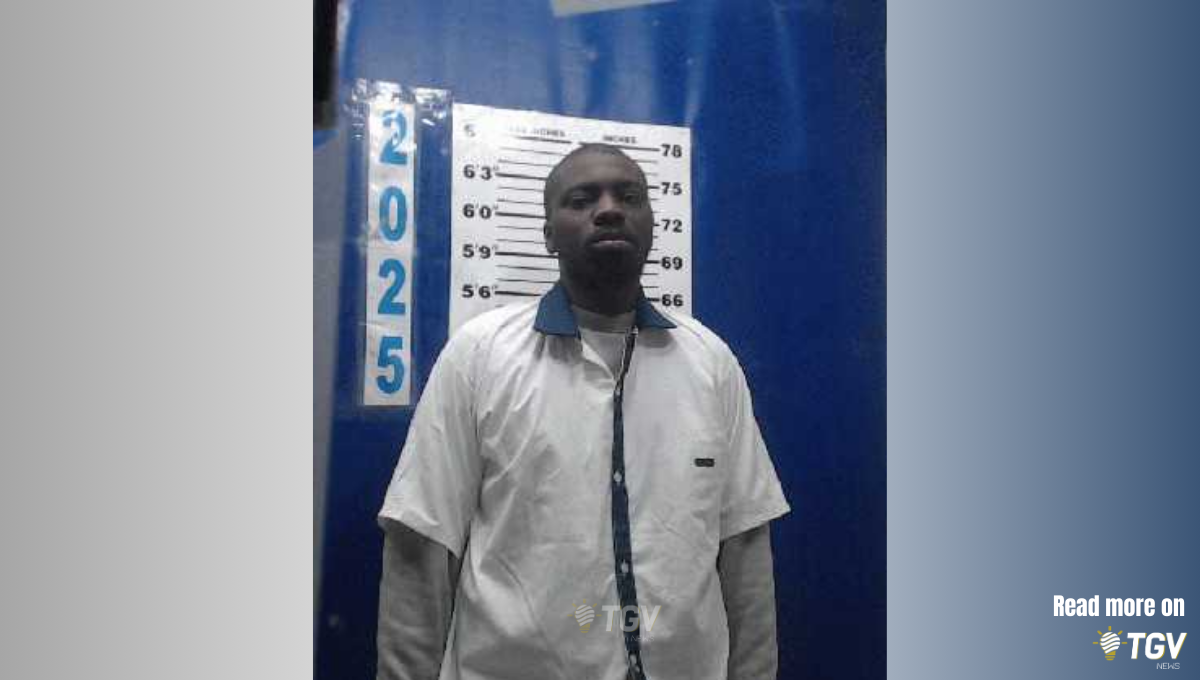
The Georgia Supreme Court has upheld a murder conviction in connection with the 2020 shooting that resulted in the death of Kareem Smalls.
The court ruled this week on the conviction of Dyanta Derall Samuels, who was convicted in Chatham County in 2022.
Background
In 2020, a woman and her six-year-old daughter were nearly hit by a car before the driver of the car got out and fired several shots at her vehicle. No one was hurt, but the incident was captured on surveillance video and an investigation was launched.
A few months later, Kareem Smalls was shot and killed in Savannah. Ballistics testing revealed that the shell casings from the vehicle shooting came from the same gun used in the shooting of Smalls and police found matching ammunition at Samuels’s apartment.
Samuels fled from police in a high-speed chase and admitted throwing a gun out of the car window.
During trial, witnesses testified that they observed a red Dodge Charger circling the area before the shooting, GPS data showed a rental Charger tied to Samuels at the scene during the shooting, and Samuels admitted he was there but said he wasn’t involved.
Samuels was convicted by a jury in 2022 of Malice Murder, Aggravated Assault, Fleeing, and a host of firearms charges. Following his conviction, he received a sentence of life in prison with the possibility of parole.
Appeal
Samuels appealed his conviction, claiming:
- The evidence wasn’t strong enough because it was mostly circumstantial because no eyewitness directly identified him as the shooter.
- The jury should not have heard testimony about his drug activity.
- A detective shouldn’t have testified that Samuels didn’t deny the crimes during jail phone calls.
- His lawyer was ineffective for not objecting to testimony made by a detective who stated that Samuels never denied being the shooter on jail calls.
- Even if each issue alone wasn’t enough for reversal, the combination was unfair.
This week, the Georgia Supreme Court affirmed his sentence. The Court relied on Georgia law which allows convictions based entirely on circumstantial evidence so as long as it rules out other reasonable explanations. The justices said the jury could reasonably conclude Samuels was the shooter based on the evidence presented at trial, including the ballistics, the GPS records, his admission he was there, his flight from police, and his disposal of the firearm when he fled from police.