A Georgia lawmaker is working to dissolve the city charter for a municipality that has failed to complete financial audits as required by law.
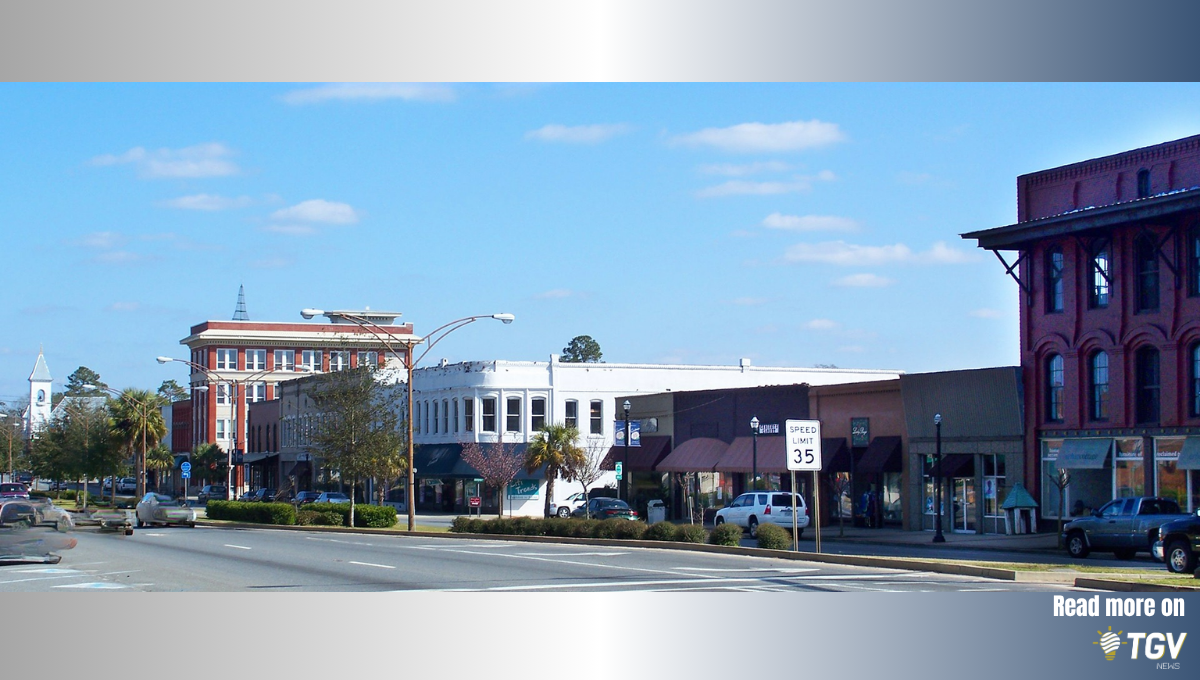
House Bill 1567 targets the city of Quitman for what the bill’s sponsor said is the city’s failure to remain compliant with state-required financial audits for more than eight years. When local governments do not maintain compliance with audits, they become ineligible for many state and federal grants.
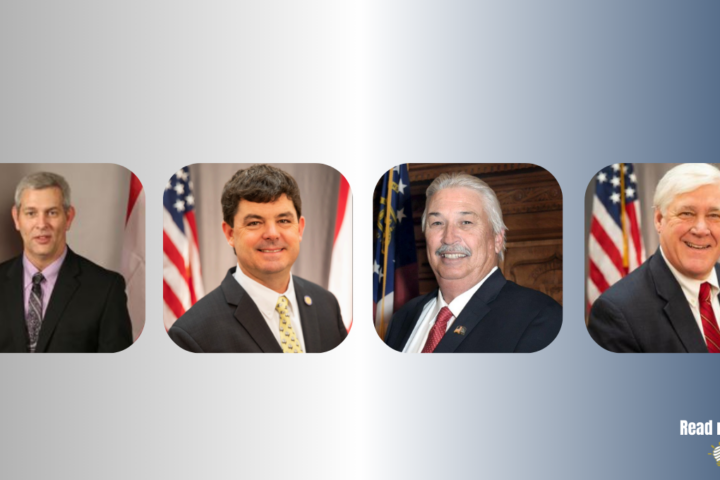
The bill, sponsored by State Representative John LaHood (175) as well as Representatives Chas Cannon (172), Darlene Taylor (173), Robert Dickey (134), and Jaclyn Ford (170), was introduced on March 18.
The legislation essentially dissolves the City of Quitman and transfers all of its governmental functions, assets, and responsibilities to Brooks County. Quitman is the county seat for Brooks County and has been since it was established in 1858. Notably, the county attorney for Brooks County is James Burchett, who is a current state representative.
HB 1567 repeals Quitman’s existing charter and gives Brooks County full authority to govern the former city area. Any debts currently owed by Quitman would be assigned for repayment via a ‘Special Service District’ so that only residents who lived within the former city limits would be responsible for the debt.
Other components of the legislation:
- All city-related authorities would be dissolved, unless they are part of a joint authority.
- Permits, licenses, and other mechanisms would be transferred to the county. Zoning and land use ordinances would remain in place until merged with the county ordinances.
- City law enforcement duties and pending municipal court cases Existing municipal court cases move into the county court system, and zoning and land-use rules remain in place temporarily as county ordinances until changed.
- The former city limits would be designated as the ‘Historic Quitman Community.’
- If approved, the measure would take effect on July 1, 2026.
LaHood said in a letter issued March 20 that his “responsibility as a state representative is to uphold the law, protect the public interest, and help ensure long-term stability and transparency for the community we all care about.”
LaHood said the bill addresses “long-standing statutory noncompliance while encouraging a stable path forward that restores transparency and public confidence,” even though the city is working to take corrective actions.
His letter also said correspondence has been ongoing between the stakeholders and local officials about the matter and possible legislation since Fall of 2025. He mentioned the discussion as occurring “on a regular basis.”
Whether or not the bill will make it across the finish line before the end of the legislative session remains to be seen. March 23 is Day 36 of the legislative session with the last day scheduled for April 2. That means four legislative days remain with even fewer committee days. Still, the measure is considered ‘local legislation’ and does not need to clear the same hurdles as a general bill.
The bill has been assigned to the House committee on Intragovernmental Coordination.