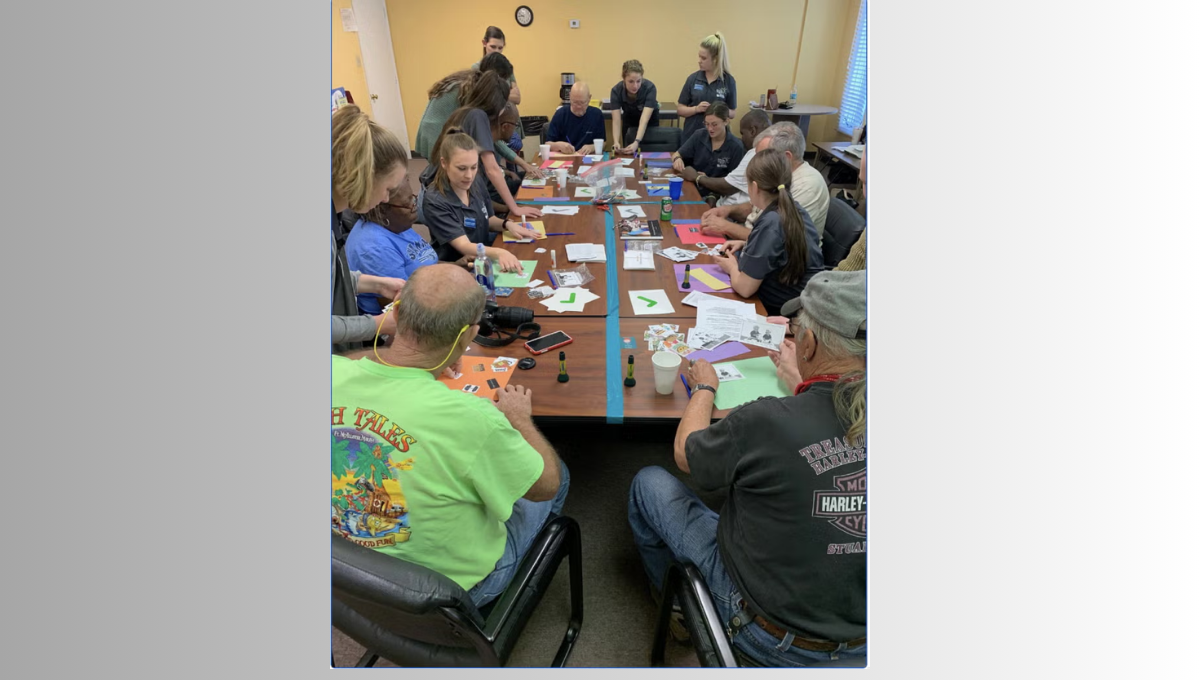
Georgia Southern University has earned the 2026 Carnegie Community Engagement (CE) Classification, an elective designation awarded by the American Council on Education (ACE) and the Carnegie Foundation for the Advancement of Teaching, in recognition of the University’s commitment to advancing civic engagement, developing practical knowledge, and sparking meaningful, real-world learning for students. Georgia Southern is among more than 230 U.S. colleges and universities selected in the 2026 classification cycle.
“Our dedication to our students and our community defines Georgia Southern’s purpose and direction,” said Georgia Southern President Kyle Marrero. “This classification affirms the work of our faculty, staff and students, alongside our community partners and neighbors, to address real-world challenges. We are honored to have the impact of that shared commitment recognized through this designation.”
The community engagement classification is awarded following a process of self-study by each institution. The classification has been the leading framework for institutional assessment and recognition of community engagement in U.S. higher education for the past 19 years.
Georgia Southern’s application demonstrated that the institution’s mission, culture, leadership, resources and practices supporting meaningful and sustained community engagement are closely aligned. The University’s submission provided clear evidence of its commitment to reciprocal partnerships that benefit students, faculty, staff and the communities it serves, enhanced by documented exemplary institutional practices.
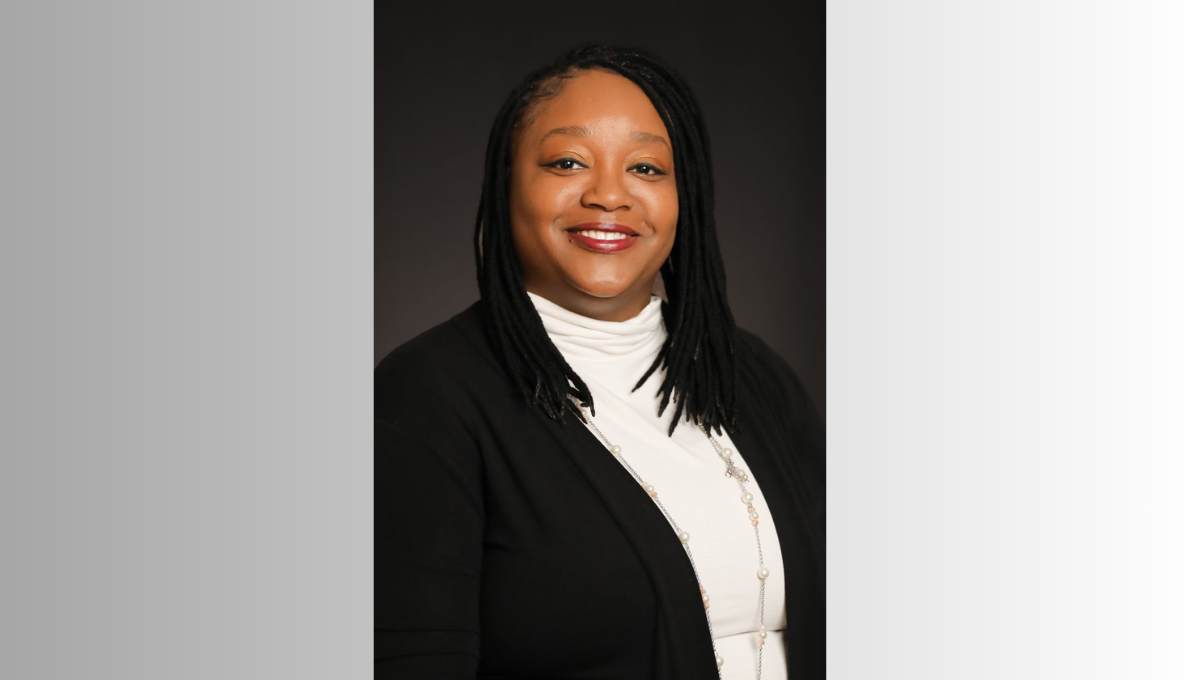
The application was developed by a cross-divisional committee representing academic affairs, student affairs and administrative units across the University and co-chaired by Delana Schartner, Ph.D., dean of the University College and assistant provost of academic policy and initiatives, Urkovia Andrews, DrPH, interim director of the Office of Student Wellness and Health Promotion, and Jodi Kennedy, Ed.D., former director of the Office of Leadership and Community Engagement.
Provost and Executive Vice President for Academic Affairs Avinandan Mukherjee, Ph.D., emphasizes that the designation underscores the integration of community engagement across the University’s academic mission.
“Our teaching, research and service are deeply connected to the communities we serve,” Mukherjee said. “This recognition highlights the intentional ways community engagement is embedded in our curriculum, scholarship and institutional practices, creating meaningful learning experiences while advancing the public good.”
The Carnegie Elective Classification for Community Engagement is valid through 2032. A listing of all the institutions that currently hold the classification endorsement can be found here.
Georgia Southern University is also classified as a Research 2 (R2): High Research Spending and Doctorate Production institution through the Carnegie Classification of Institutions of Higher Education (CCIHE) Research Activity Designation. On average, Georgia Southern committed more than $40 million to institutional research and awarded 49 doctoral degrees annually during the three-year evaluation cycle.
Released every three years, the Carnegie Classification of Institutions of Higher Education was re-envisioned by the Carnegie Foundation for the Advancement of Teaching and ACE and most recently announced in 2025. Institutions are now classified based on a three-year average of doctoral degrees awarded and whether they meet a specified research funding threshold.
The Carnegie Classifications are the nation’s leading framework for categorizing and describing colleges and universities in the United States. Utilized frequently by policymakers, funders and researchers, the classifications are a benchmarking tool for postsecondary institutions. ACE and the Carnegie Foundation announced a partnership in February 2022 to reimagine the classifications to better reflect the diversity of postsecondary institutions and more completely characterize the impact that today’s institutions have in society.
This is a press release from Georgia Southern University.