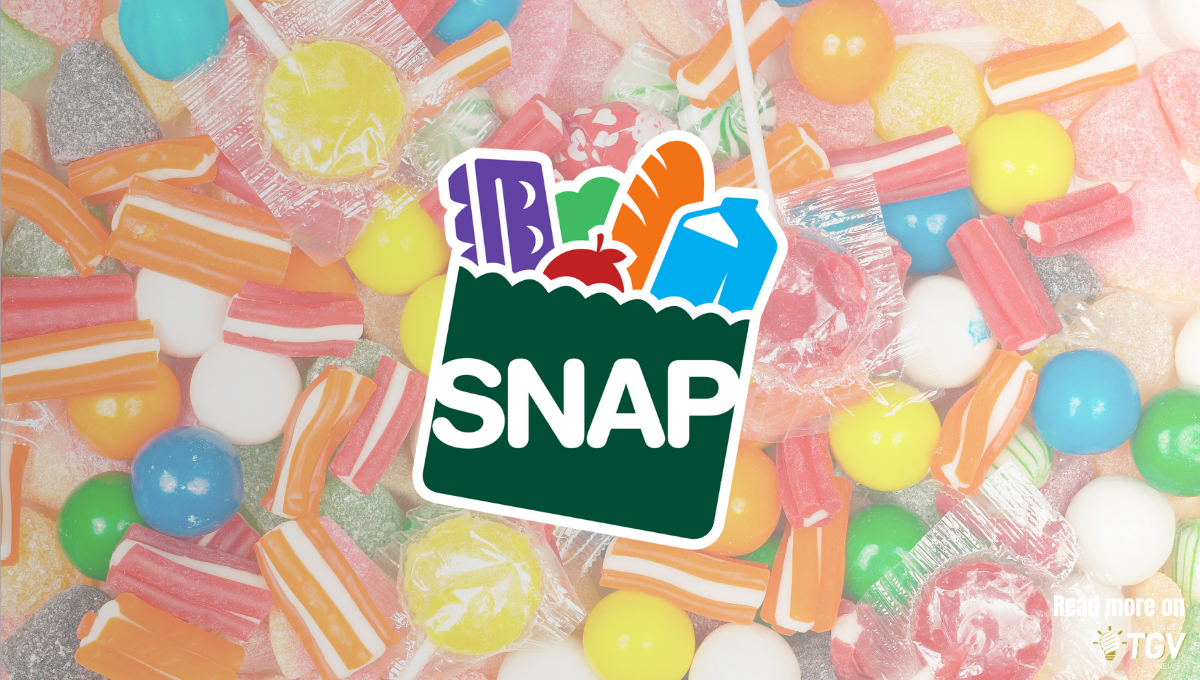
A bill filed in the Georgia legislature this week would ban the use of SNAP benefits for the purchase of foods listed as low in nutrients or otherwise unhealthy. The proposal comes under a federal waiver after USDA guideline changes.
Previously, federal guidelines determined what foods were prohibited, but new federal waivers from the USDA allow individual states to restrict specific items, such as soda and candy, from the program.
House Bill 957, donned the ‘Georgia SNAP Healthier Choices Act of 2026,’ seeks to reduce the “low-nutrient, high-sugar, and artificially sweetened foods” currently available for purchase with the SNAP benefits in the interest of public health. The end goal, the bill says, is to ‘promote healthier outcomes for Georgia families.’
The measure proposed in Georgia would subsequently require the Commissioner of the Georgia Department of Human Services, which oversees SNAP benefit administration, to submit a formal request to the United States Department of Agriculture’s Food and Nutrition Service for a waiver or demonstration project under the federal Food and Nutrition Act of 2008 authorizing the State of Georgia to implement the SNAP purchasing restrictions. This would have to occur before the prohibitions could be instituted.
The legislation references “EBT cards” used by low-income individuals and families for government assistance in purchasing groceries.
Among the items that would be added to the list of prohibited purchases:
- No more than 4 packs or single units of carbonated soft drinks, including diet sodas, per household per calendar month
- No more than 4 beverages or packs of beverages containing artificial sweeteners per household per calendar month
- Candy, including chocolate, gum, and sugar based confections
- Energy drinks and stimulant beverages
- Juices containing less than 50 percent fruit or vegetable juice;
- Packaged desserts with more than ten grams of added sugar per serving, including cakes, brownies, pies, and similar items
- Made-to-order beverages or foods sold within a retail grocery store by an in-store vendor, kiosk, or concessionaire, including but not limited to coffee shops, beverage counters, smoothie counters, or similar service areas
- (Includes coffee kiosks, juice bars, beverage stands)
- *All vendors would be required to implement Point of Sale controls to ensure SNAP benefits are not utilized.
As of January 1, 2026, five other states, including Utah, Nebraska, Iowa, Indiana, and West Virginia have similar prohibitions in effect with Iowa have the most restrictive prohibitions. Meanwhile, Utah and West Virginia are merely targeting carbonated beverages. Twelve other states have approved legislation to roll out prohibitions in 2026.
| State | Projected Start | What to Watch For |
| Idaho | Feb 15, 2026 | Bans on soft drinks and candy. |
| Oklahoma | Feb 15, 2026 | Similar restrictions to neighboring states on soda/candy. |
| Louisiana | Feb 18, 2026 | Includes energy drinks in the ban. |
| Colorado | Mar 1, 2026 | Focus on soft drinks. |
| Texas | Apr 1, 2026 | Large market impact; bans sweetened drinks and candy. |
| Florida | Apr 20, 2026 | Extensive list including prepared desserts. |
| Arkansas | July 1, 2026 | Specifics on fruit drinks with <50% juice content. |
| Tennessee | July 31, 2026 | Broad restrictions on processed foods/beverages. |
| Hawaii | Aug 1, 2026 | Soft drinks only. |
| South Carolina | Aug 31, 2026 | Candy, energy drinks, and soft drinks. |
| North Dakota | Sep 1, 2026 | Comprehensive ban on sugary snacks and drinks. |
| Missouri | Oct 1, 2026 | Includes “unhealthy beverages” and prepared desserts. *data from National Retail Solutions |
HB 957 also includes a handful of eligibility tweaks, including:
- Requiring verification of US citizenship at the time of application and recertification, consistent with federal law
- Requiring SNAP work requirements be met with regard to a household’s category.
- Beginning January 1, 2027, all SNAP recipients would receive their eligibility once every 12 months, with recertification scheduled to occur in the month of the applicant’s birthday
The bill has six sponsors currently: State representatives Martin Momtahan, Chas Cannon, Steve Tarvin, Trey Kelley, Todd Jones, and Mitchell Scoggins.
The bill has been assigned to the House Agriculture & Consumer Affairs committee. It must make its way out of the House committee and on to the floor of the House for a vote before completing the same process in the Senate. If both chambers approve the measure, the bill will be sent to Governor Kemp for his signature.