Crime lab scientists explain DNA testing process
Two GBI forensic scientists concluded the day’s testimony until a little after 5:30 p.m.
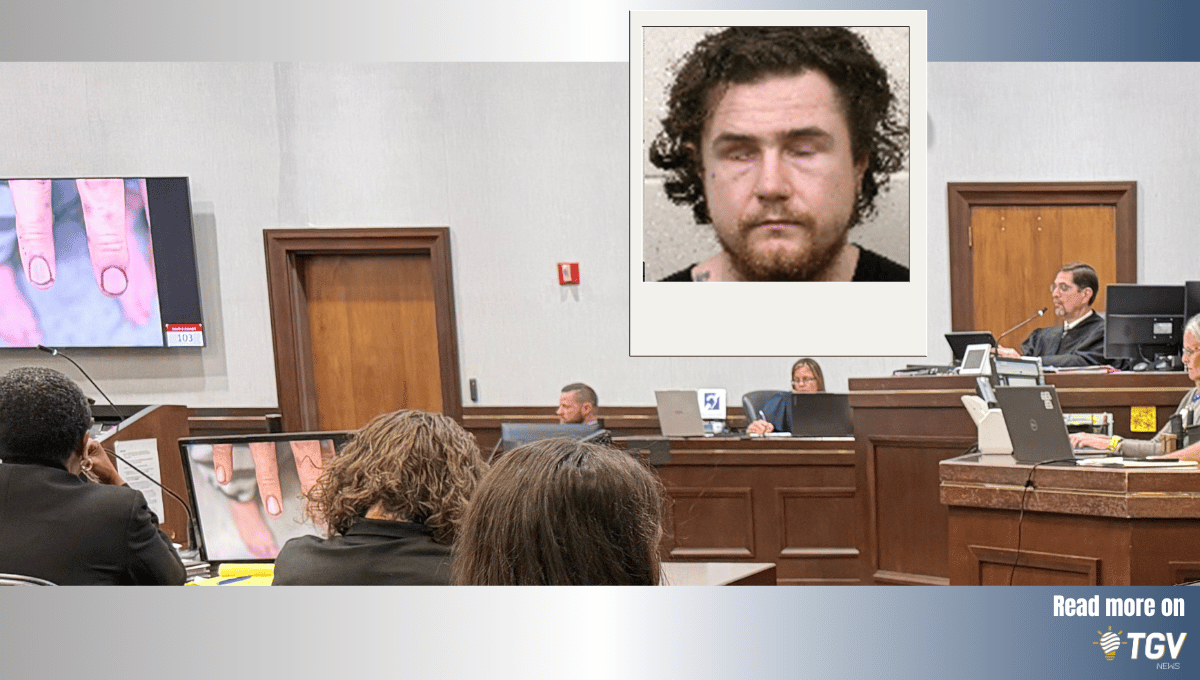
Forensic biologist Jessica Romanoski testified to her analysis of substances located on the knife, Keller’s shorts, the gear shift, steering wheel, vehicle door handles, and swabs collected from Keller’s fingernails. She said all tested positive for the presence of blood, but the Crime Lab Manager made the decision to limit which was sent off for DNA analysis.
She explained that while agencies may submit numerous items, laboratory policy generally limits DNA analysis to a smaller number of priority items after serological screening identifies which evidence contains blood. Cost is the number one driving factor for the limitations.
Forensic DNA analyst Nikki Vitistas then testified DNA recovered from the gear shift matched Bruce Dupree. She also explained how laboratory managers determine which pieces of evidence undergo full DNA testing when numerous items are submitted in a homicide investigation.
Another Juror Excused
By the close of the first day, two jurors had been replaced by alternates. The second juror was excused by Judge Hube around 3:45 p.m. following notification about a medical emergency involving a family member.
Jurors Will Hear Evidence About Keller’s Loss of Sight
In early June, Keller’s attorneys filed a Motion in Limine to keep the state from making references to self-harm.
They argued it would offer potential for unfair prejudice as the circumstances around the loss of sight would rely on opinion and would offer improper character evidence.
Prosecutors argued that the burden was on the state to prove to jurors that Keller could see on the date of the offense, which “would necessitate proof of the circumstances by which he lost his sight.” They also cited the need to introduce self-harm regarding the consciousness of guilt.
Judge Hube ultimately sided with the state, finding that the “loss of eyesight after the time of the alleged offenses is relevant, if not crucial, to the Defendant’s capacity to commit them.” He also wrote that the manner he lost his sight is relevant “as possibly indicating a consciousness of guilt,” relying on a 1997 Court of Appeals case.
In his Order, Hube cautioned both parties against “belaboring any gruesome details” and said he would intervene if it became “needlessly lurid.”
The trial resumes Tuesday. Check back for updates.